
Children
Nurturing human nature, together
Children are at the heart of The Wellspring Project ecosystem, and move through ever-evolving relationships, environments and practices, growing, learning and discovering who they are and what they are capable of. We believe that every child is born whole — already equipped with the drive and capacity to make sense of life in their own way. Our role as adults is not to fill them up, but to accompany them: to listen, to observe, to offer the right material or question or gesture at the right time.
Some children come regularly and grow up within the living ecology of the place — building relationships, following their interests, joining what is happening, making things, learning alongside others, taking responsibility, encountering difficulty, contributing to the life around them, and gradually becoming more capable participants in the world. Other children join in for certain projects, enjoying the ecosystem as time-to-time visitors.
Movement through the ecosystem
We move between different ways of encountering the world throughout our lives. New relationships, unfamiliar materials, difficult questions and unexpected opportunities continually return us to discovery. Increasing capability doesn't mean leaving earlier ways of being behind.
At The Wellspring Project, where learning is self-assembled, relationships are dynamic, and the ecosystem itself is constantly changing, four broad modes of exploration describe a changing relationship between a person and the world. Each mode offers a lens through which to recognise the kinds of encounters, questions and possibilities might be important to children at different times of their lives. These are ways of exploring, participating in and shaping the world, which can overlap and reappear throughout life.
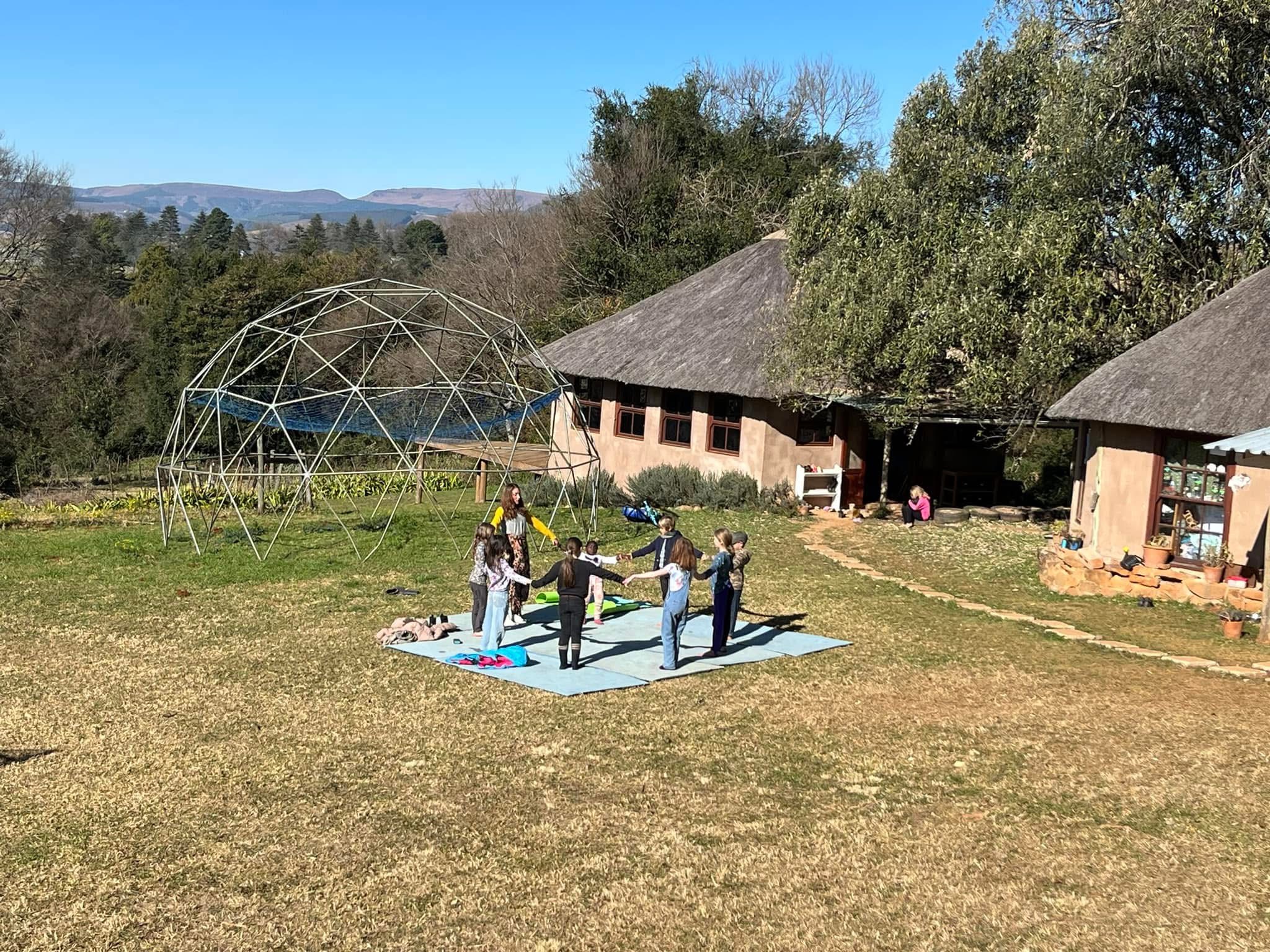
Our environment is multi-age by design. People learn best when they can interact fluidly with peers of different ages, mentors, and the living world around them — and our young people move through the entire ecosystem, engaging with real play, real work, real processes and real community. The ecosystem is constantly evolving a network of possibilities, with different qualities of participation emerging over time.
2–5 years
Exploring-Encountering
Meeting the world through the senses, play and relationship.
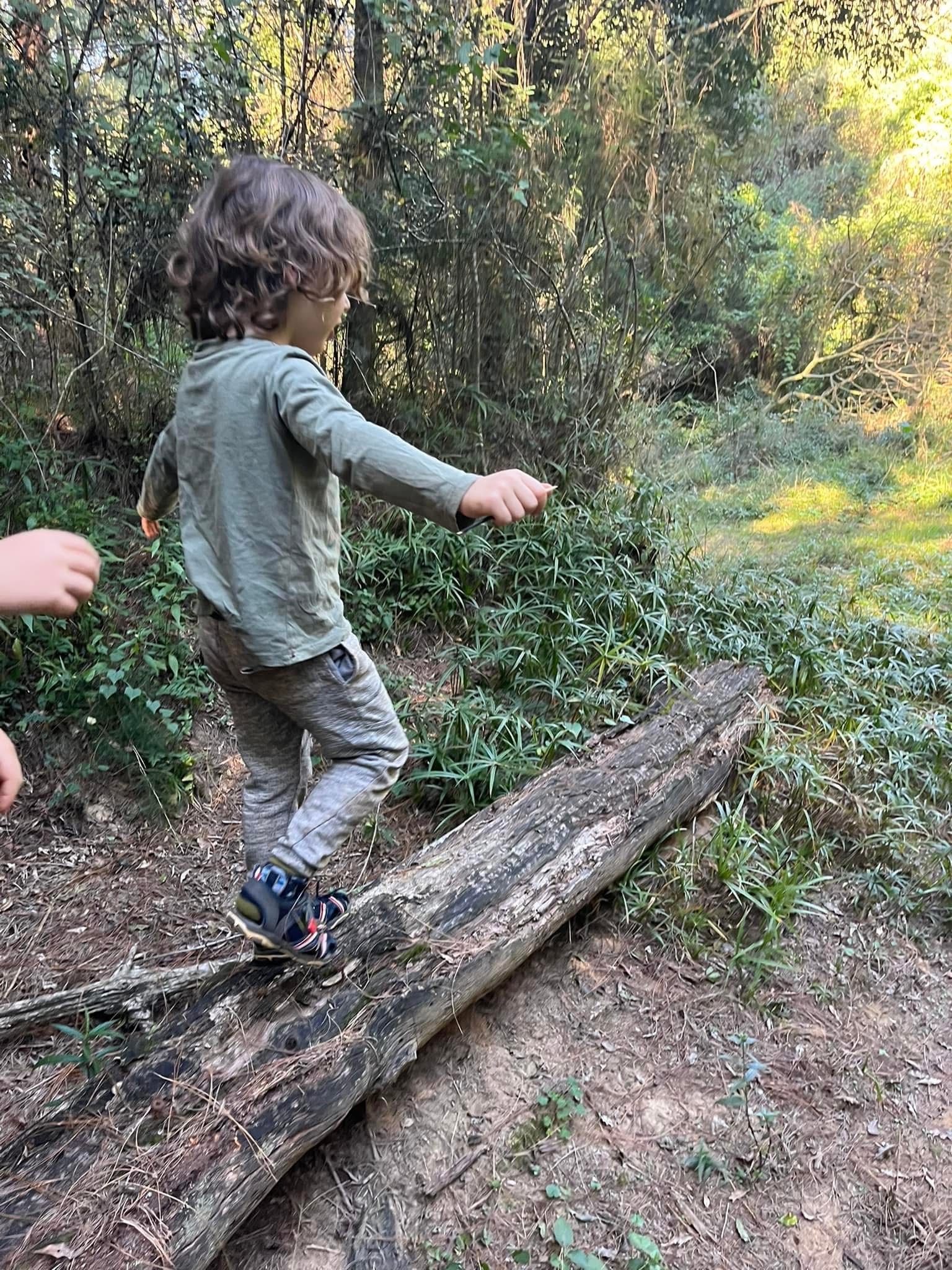
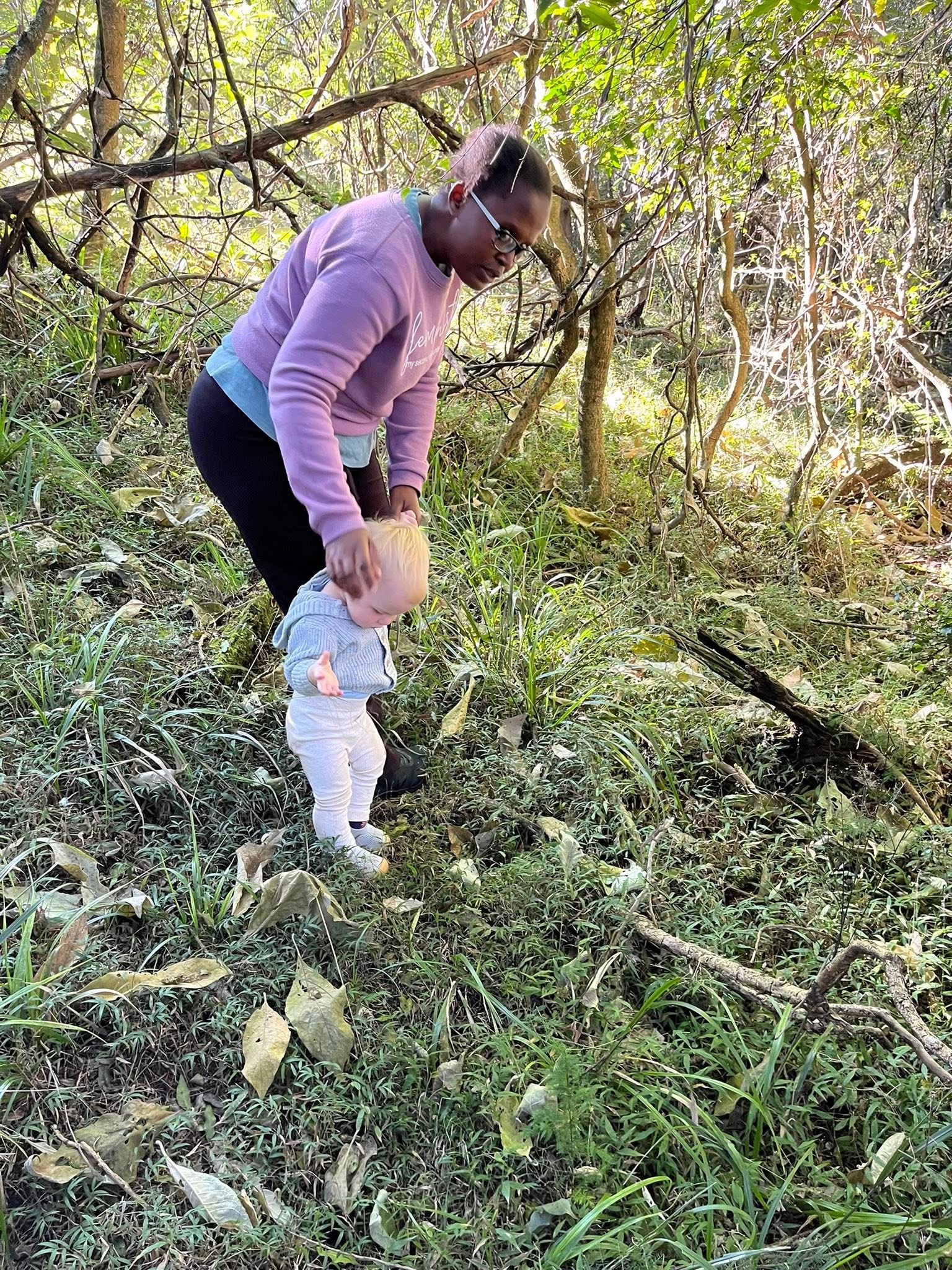
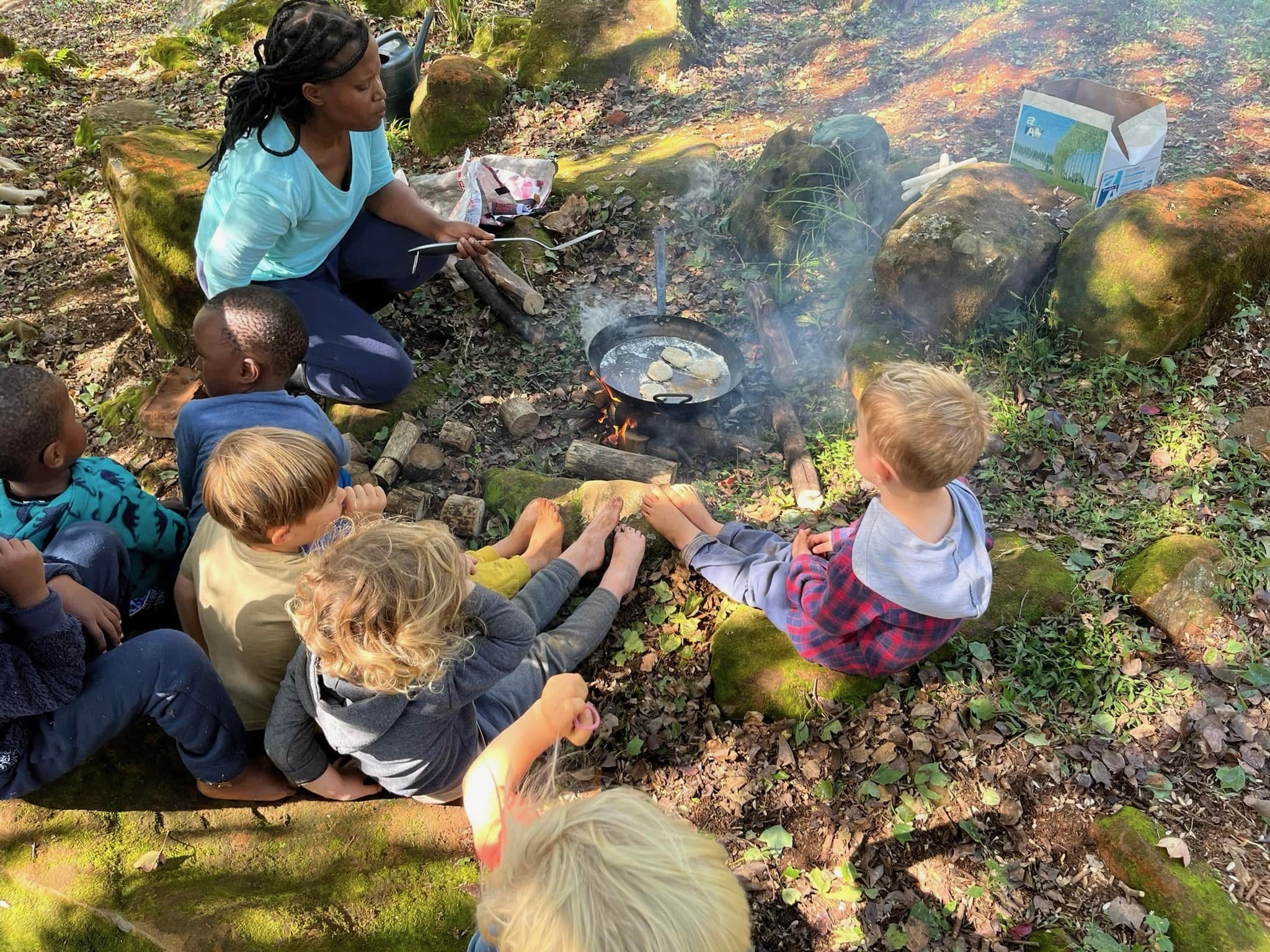
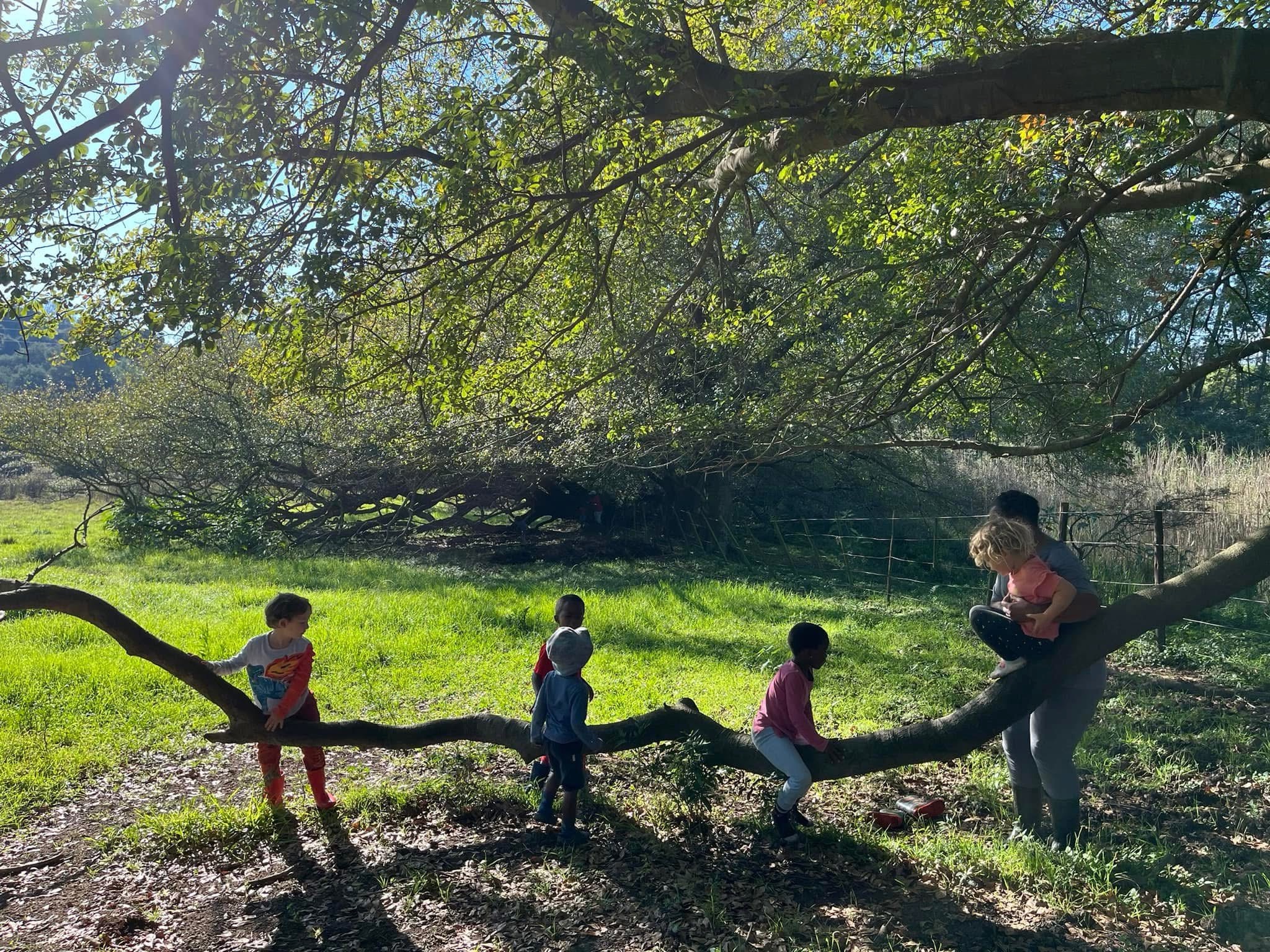
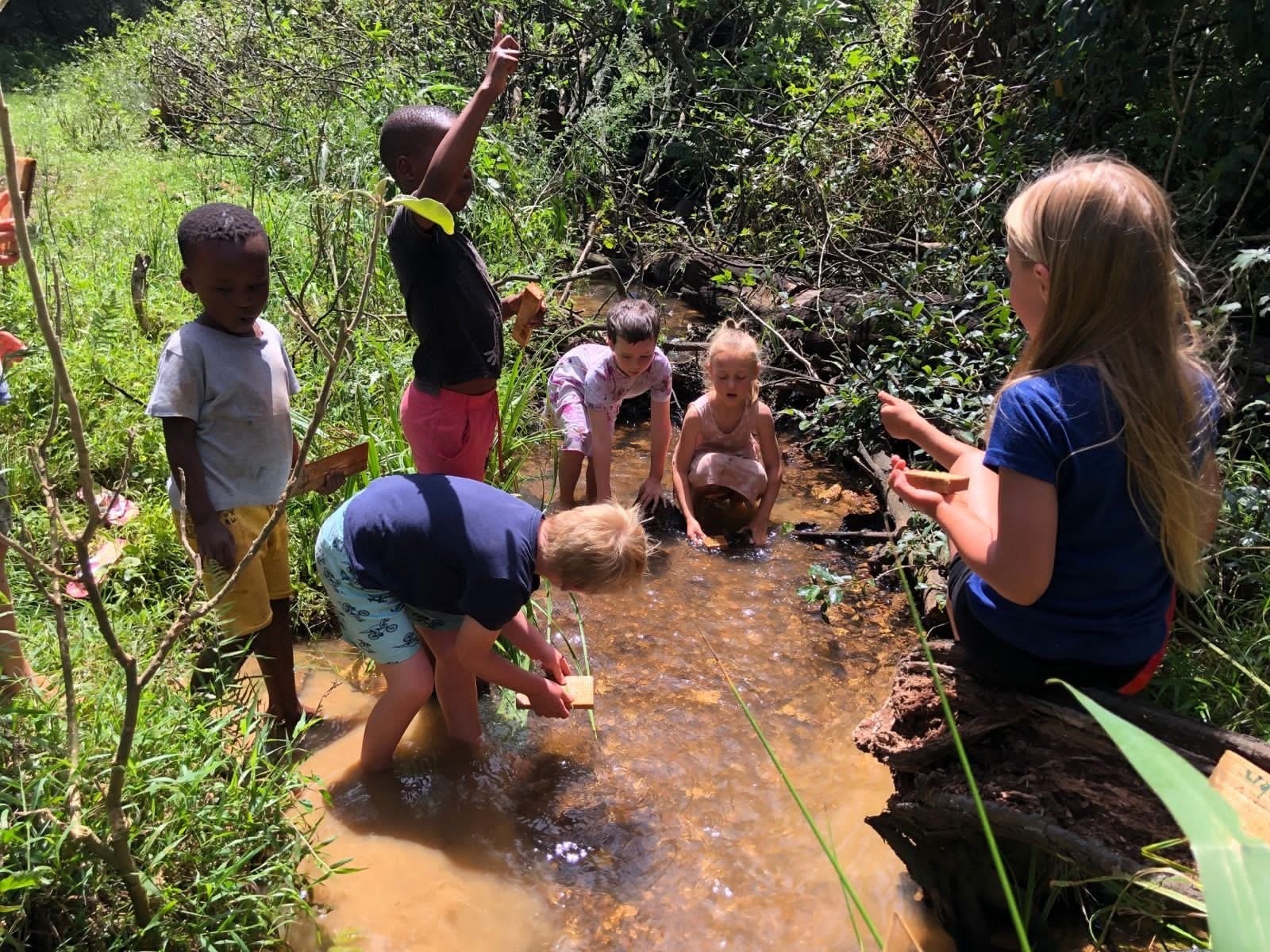
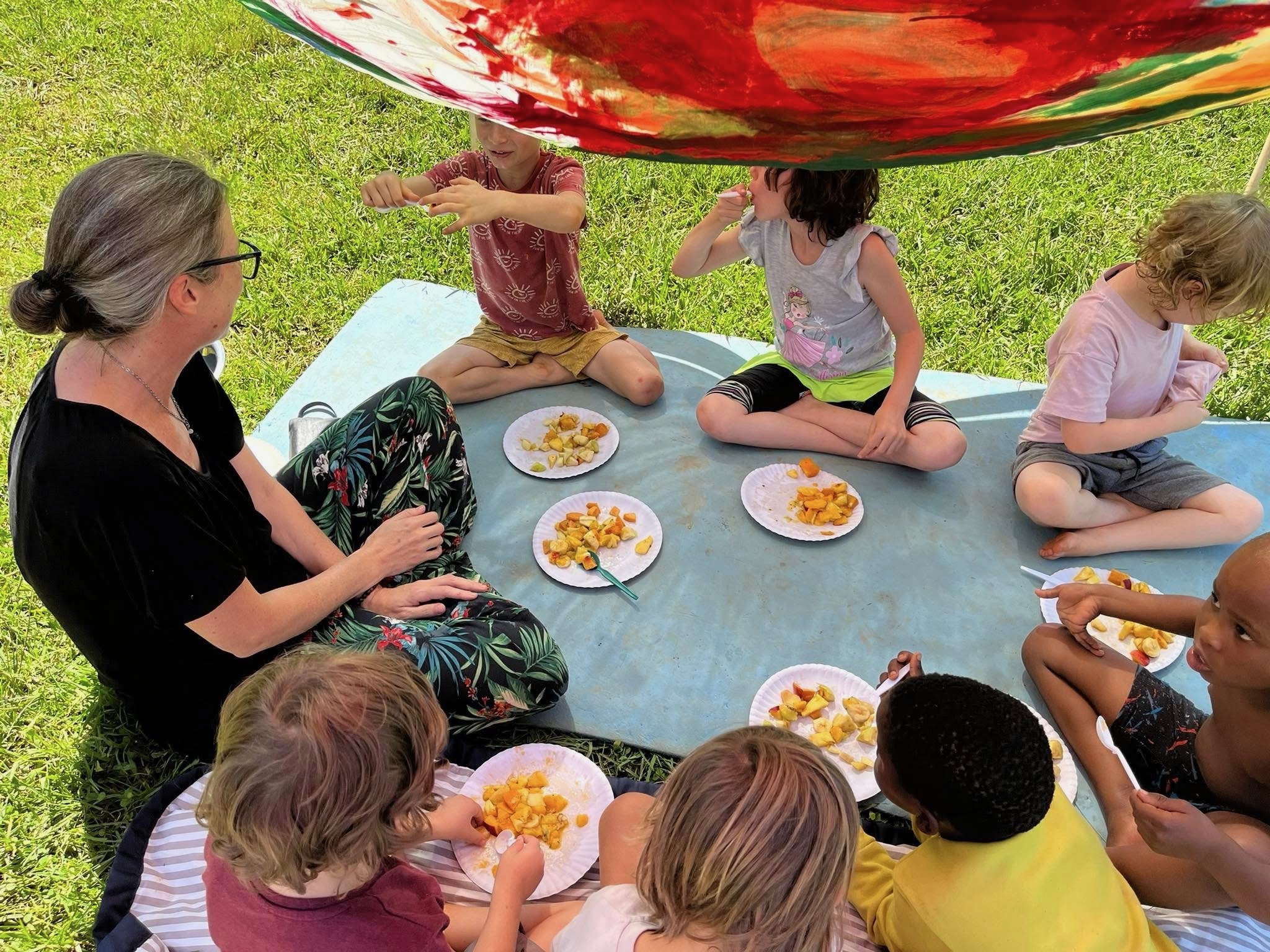
In this mode, the world is encountered directly, through the body, the senses, movement, play and relationship. Things are touched, tasted, carried, dismantled, repeated and discovered. Understanding emerges through participation, imitation, experimentation and the gradual discovery of oneself in relation to others.
The emphasis here is not on acquiring knowledge about the world, but on developing a living relationship with it: discovering what things are like, what can be done with them, how others respond, and what it feels like to act and be acted upon.
The youngest ones are surrounded by older children who model care, courage and imagination; and the older ones are reminded, through the littlest voices and discoveries, of what it means to be close to wonder.
6–9 years
Mapping
"I like to make maps — not just on paper, but in my head."
As familiarity with the world grows, so does the impulse to investigate its workings. Children begin to notice patterns, make connections, develop theories, test possibilities and construct increasingly complex understandings of the things they encounter.
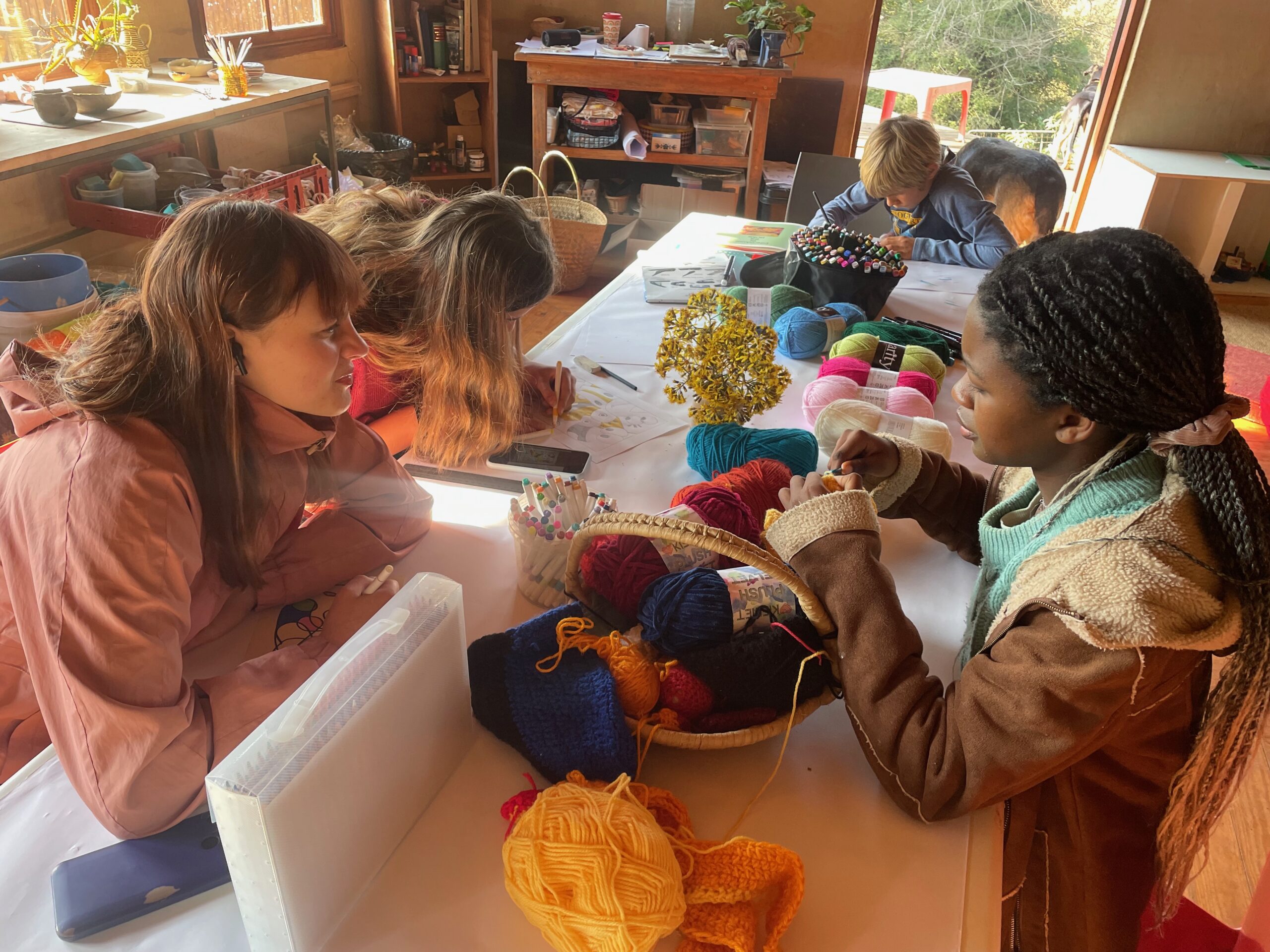
The world becomes something to explore, map and make sense of. Questions multiply, interests deepen, and relationships between things become as compelling as the things themselves. Through shared investigation, children begin to develop ways of understanding, representing and communicating what they discover.
Socially and emotionally, this is a time of mapping too: discovering friendship, fairness, and difference; learning how to work together, to disagree and repair, to take responsibility.
10–13 years
World-Building
"Sometimes we spend days evolving a metaverse. It starts with one idea and then everyone adds to it."
As their understanding of the world expands, children increasingly have the capacity to imagine alternatives, combine ideas, develop systems and bring their own visions into being.
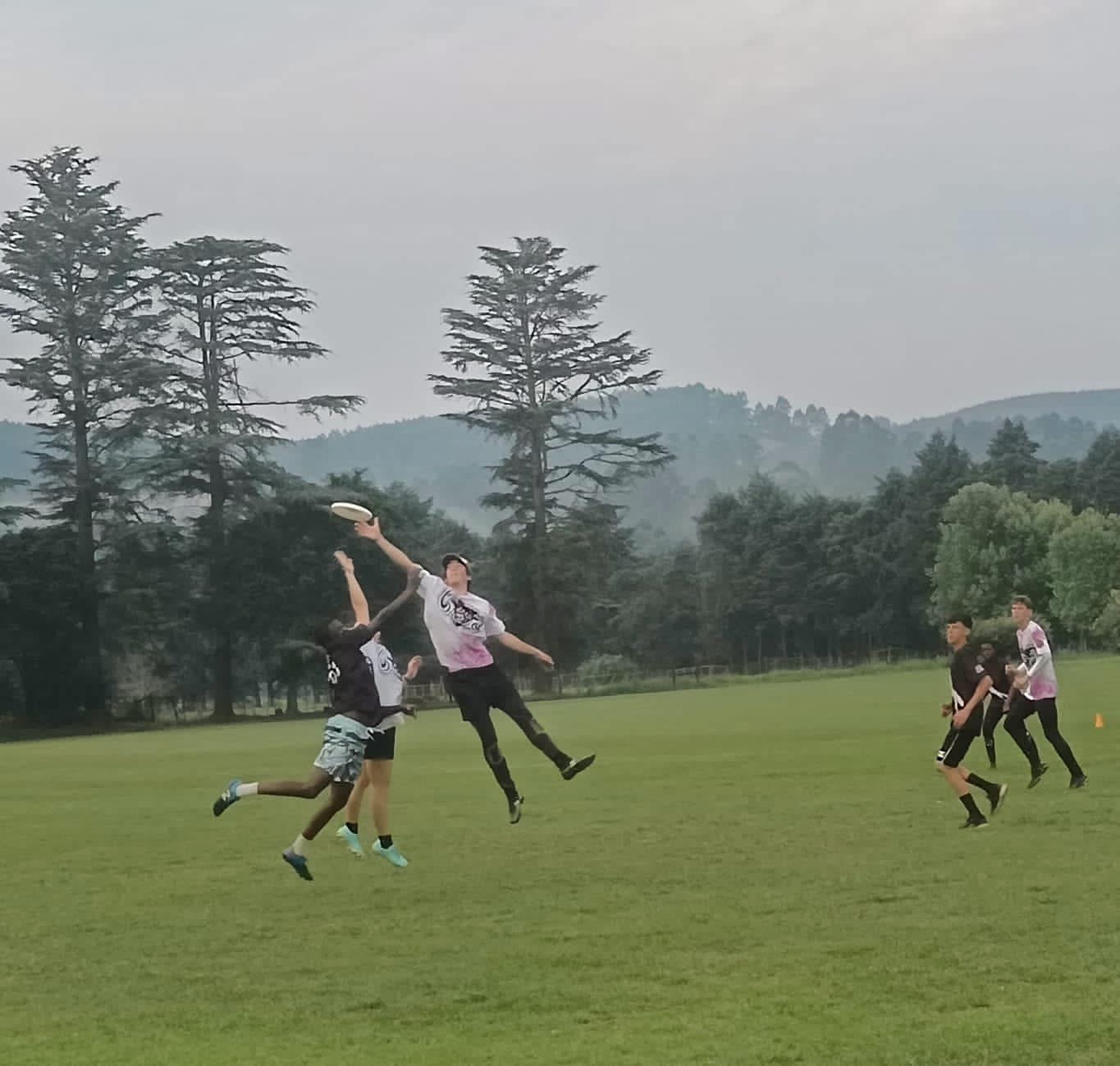
The impulse to understand becomes intertwined with the impulse to create, contribute and change things. Through collaborative projects, sustained inquiry, experimentation and encounters with real systems, young people can explore how ideas become realities, how their actions affect others, and how they might participate in shaping the worlds they inhabit.
The worlds they build are laboratories of imagination — places where they collect, combine, and reconfigure information from every corner of their experience. Research, negotiation, and problem-solving integrate organically as they construct living systems of meaning. Knowledge from stories, games, physics, mythology, architecture and mathematics becomes raw material. Reading, writing and numerical skills develop as tools that enable expression and understanding.
14+ years
Self-Mastery
"The task of this time is not simply to learn new skills, but to learn how to navigate the complexity of selfhood."
Self-mastery is the ongoing development of the capacity to understand and work with oneself: to recognise one's strengths and limitations, navigate uncertainty, make considered choices, develop practical competence and take increasing responsibility for one's own life. During this time, increasingly complex questions emerge around identity, agency, responsibility, values and direction.What matters to me? What am I capable of? What do I want to contribute? How do I want to participate in the world?
Some choose to pursue formal qualifications to open future options; others follow project-based or apprenticeship pathways; still others create their very own paths. What matters most is that each one learns to hold their own compass — to recognise the signals of integrity, curiosity, and care that guide them from within.
Threads that run through every phase
Self-Assembled Learning
Every person self-constructs their own unique meaning from all that they experience, all the time. Through encounters with people, materials, ideas and the living world, children continuously assemble their own understanding, capabilities and sense of self. The conditions around them support this process by making space for curiosity, experimentation, challenge, reflection and the freedom to follow a question somewhere unexpected.
Relationship Matters Most
We become who we are in relationship with the world around us. Children grow within a living web of relationships with other children, adults, materials, places, ideas and the wider community. The quality of these relationships shapes what becomes possible: how we see ourselves, how we understand others, how we participate, and what we are able to create together. Learning, in this sense, is not an individual activity taking place within a community. It emerges through our participation in one another's lives.
Multi-Age Environment
When people of different ages share a living environment, learning moves beyond the boundaries of age-defined stages. Younger children encounter possibilities through observing and participating alongside older ones; older children discover new capacities through explaining, helping, leading and taking responsibility. Relationships form around shared interests and activities rather than age alone. Everyone has something to offer, something to discover and opportunities to experience themselves differently in relation to others.
Placing Trust in Play
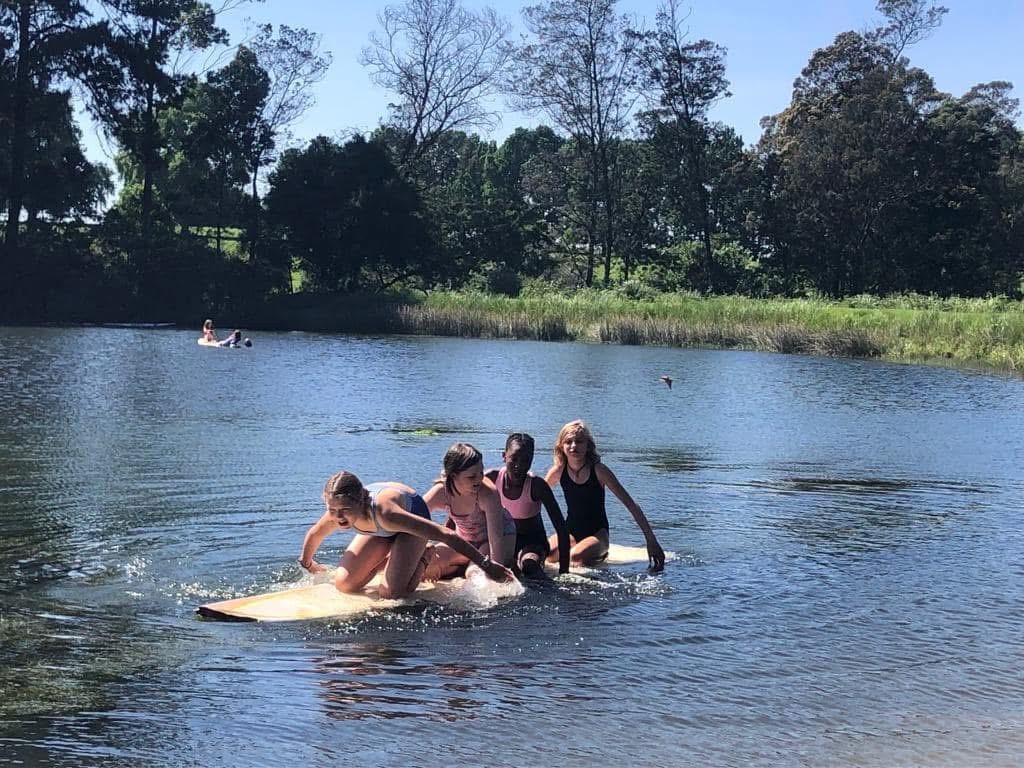
Play is one of the ways human beings explore possibility, make sense of experience and discover who they are. When children's play is trusted, they have room to follow their own impulses, test ideas, negotiate relationships, encounter uncertainty and develop their own capacities. This means recognising that meaningful learning does not always announce itself, follow a plan or produce something immediately visible. Sometimes the most important thing is to allow an experience to unfold.
Forest & Farm Immersion
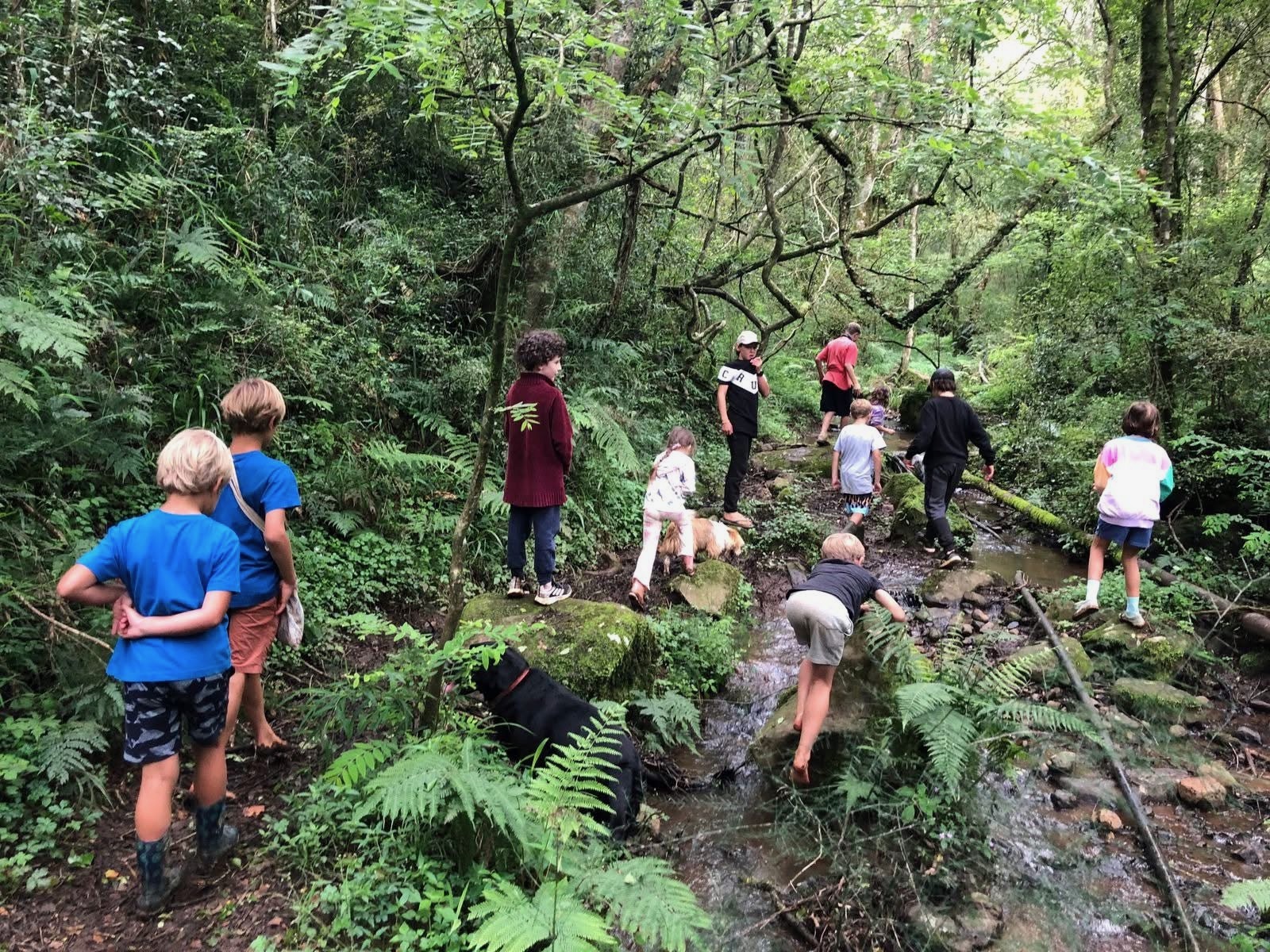
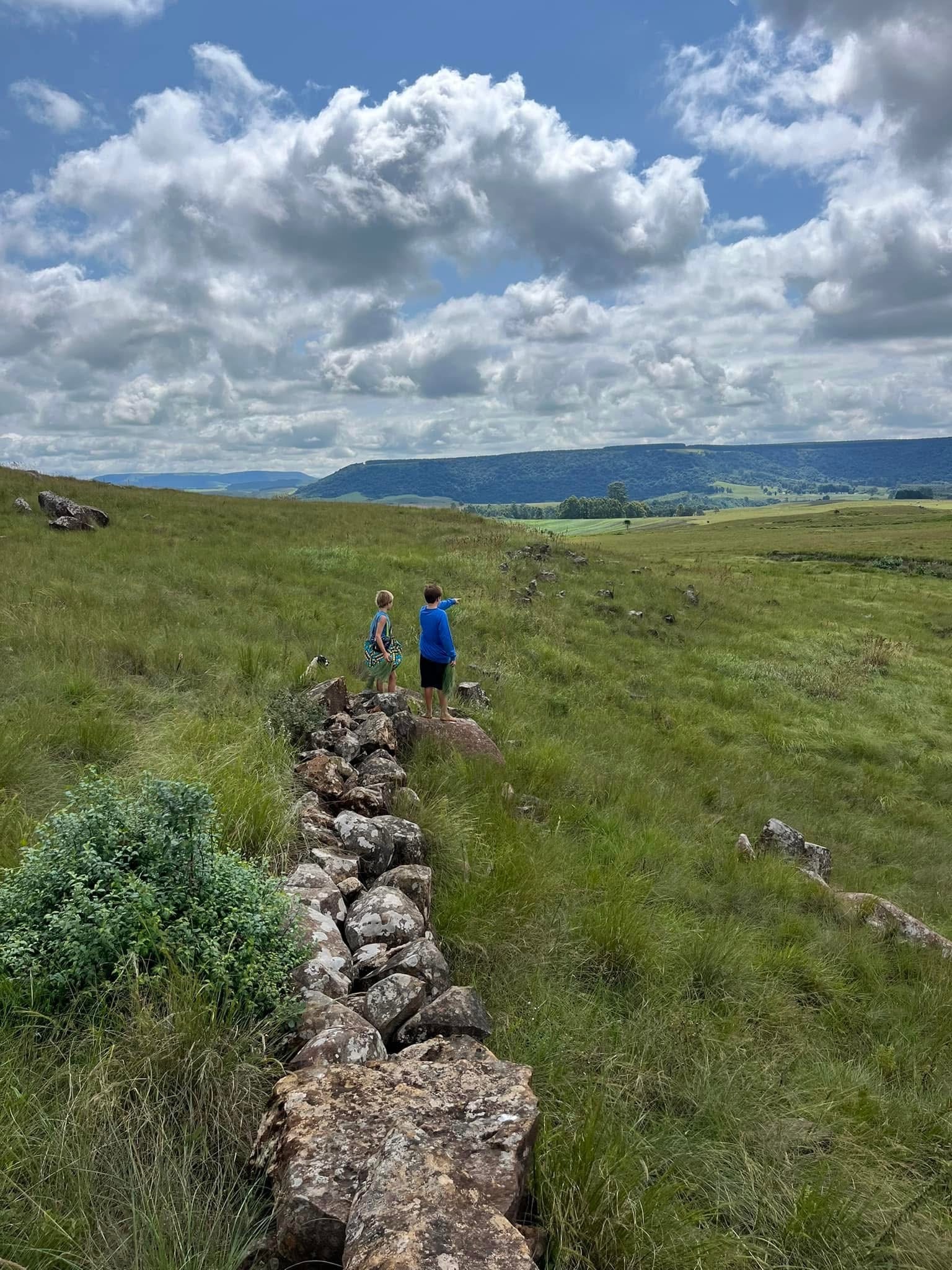
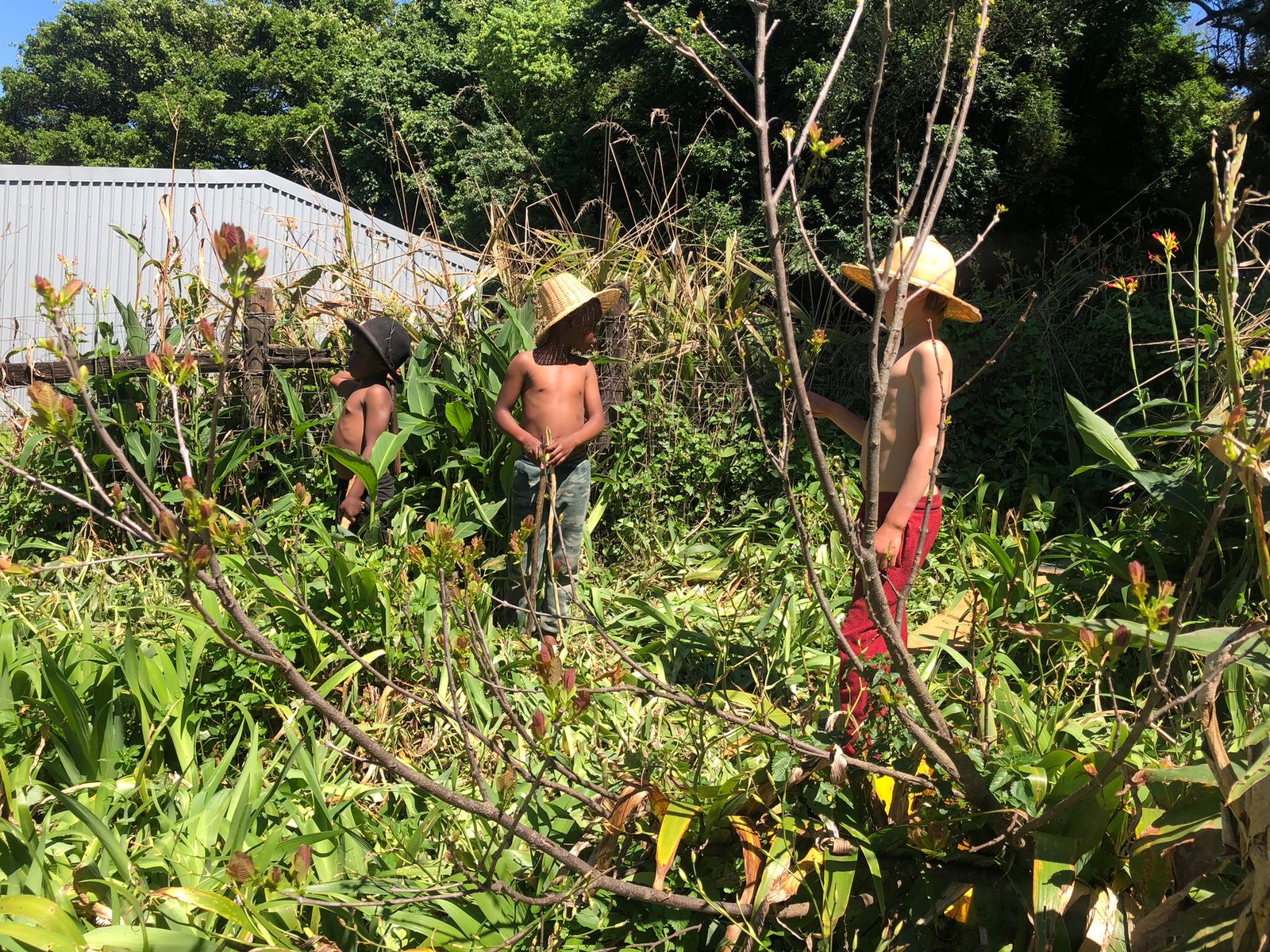
The forest and farm offer an ongoing encounter with the complexity, interdependence and unpredictability of living systems. Here, children can develop familiarity with the rhythms of the land, the needs of other living beings, the consequences of human intervention and the relationships that sustain life. Through direct participation, observation, care and exploration, the living world becomes more than something to learn about. It becomes a place to develop attentiveness, understanding and a sense of belonging.
Cultivating Creative Curiosity
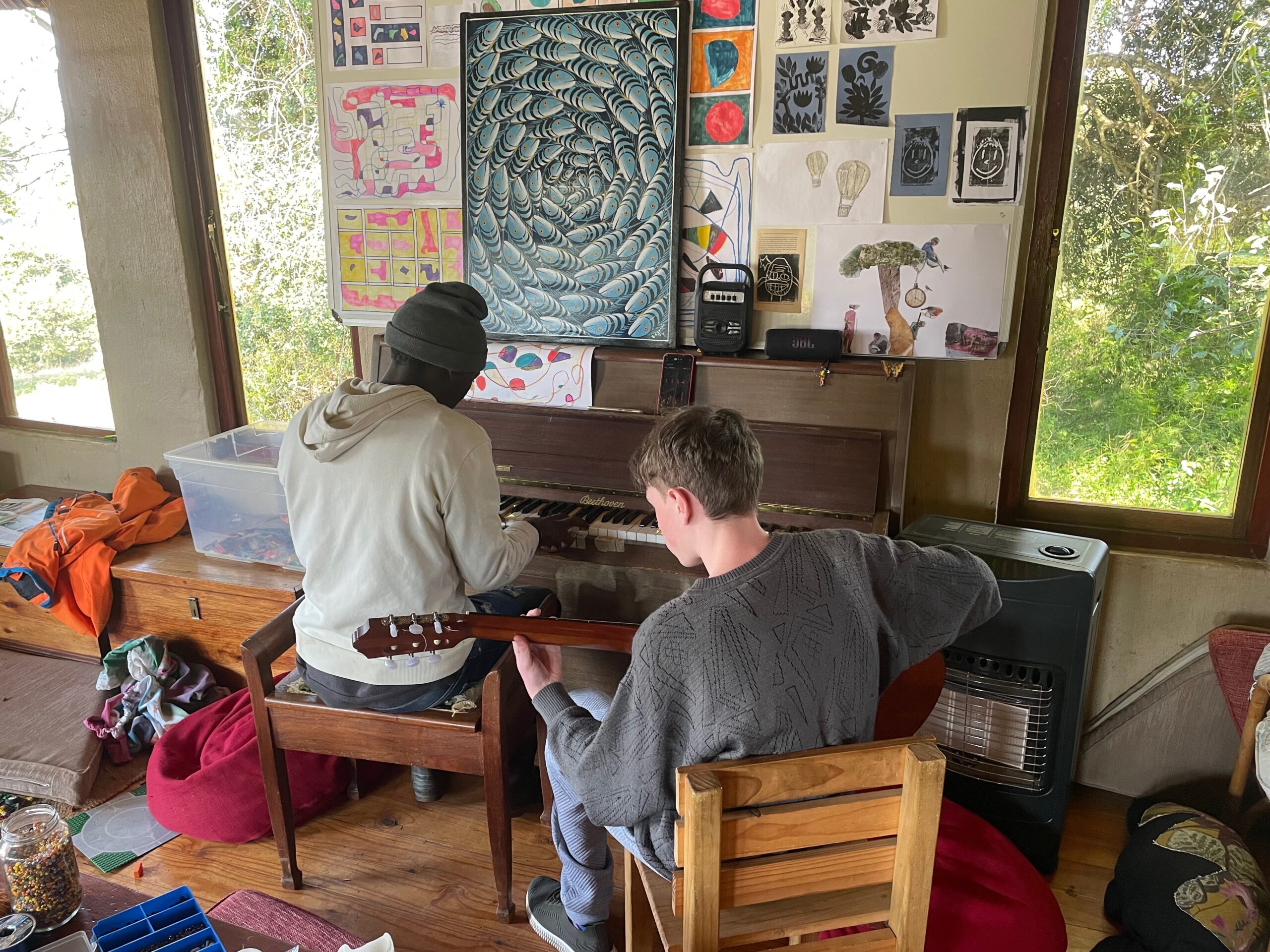
Curiosity opens possibilities; creativity gives us ways to explore them. Children need opportunities to encounter materials, processes, ideas and problems without always knowing in advance what they will make or discover. Through experimentation, imagination, improvisation and the freedom to follow an emerging interest, they develop their capacity to ask questions, make connections and bring something new into the world. The emphasis is not on producing creative work, but on nurturing the conditions in which creative thinking and expression can flourish.
Structured Inquiry
Some questions invite a deeper, more sustained encounter. Structured, project-based inquiry creates a container in which children can pursue an area of interest, develop questions, gather and interpret information, test ideas, and build understanding over time. Structure provides continuity, meaningful challenge and a way to work with complexity without predetermining what must be discovered. The intention is to develop the capacity to investigate, think critically, make connections and construct knowledge with increasing independence.
Encountering Real Systems
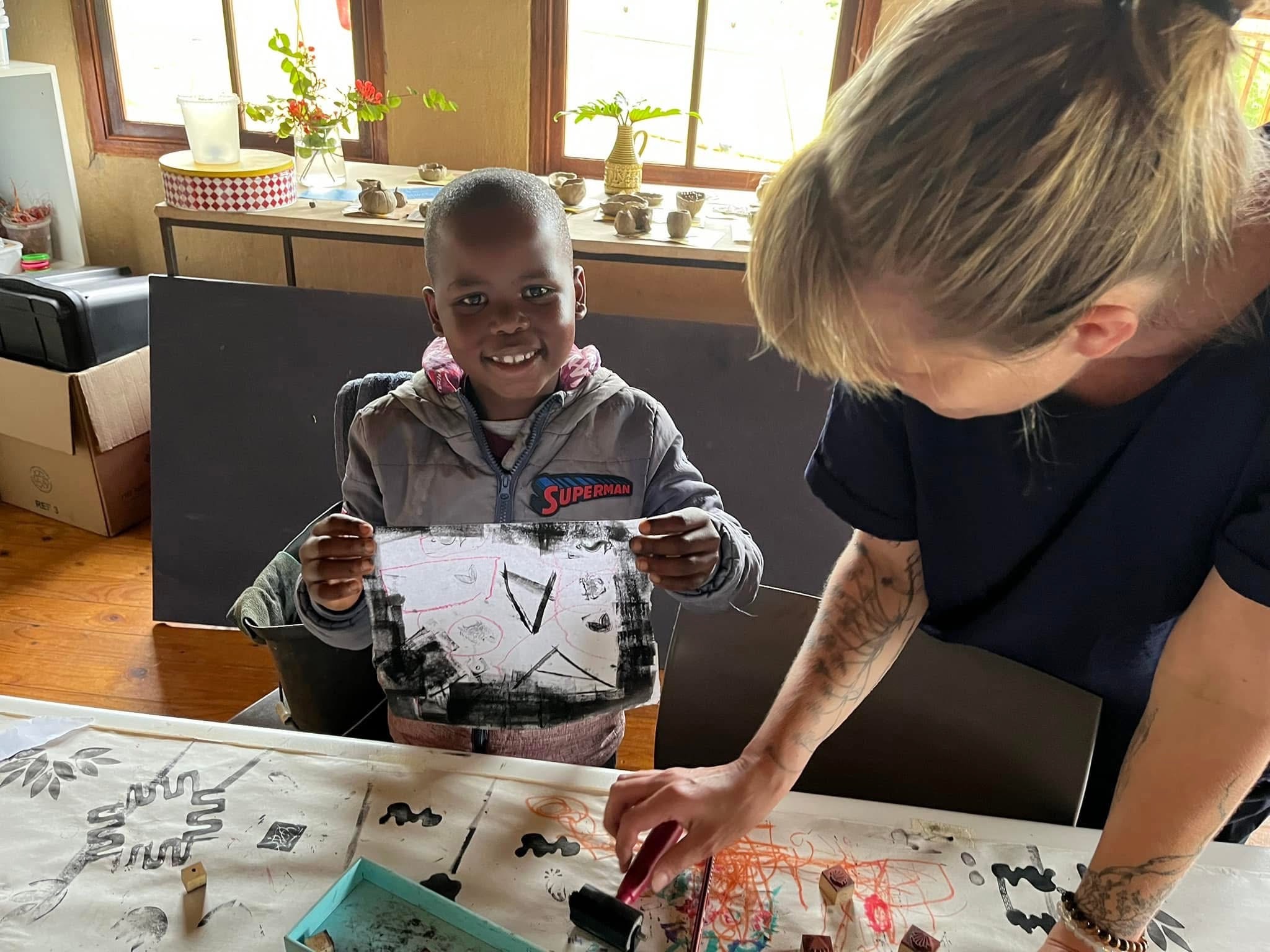
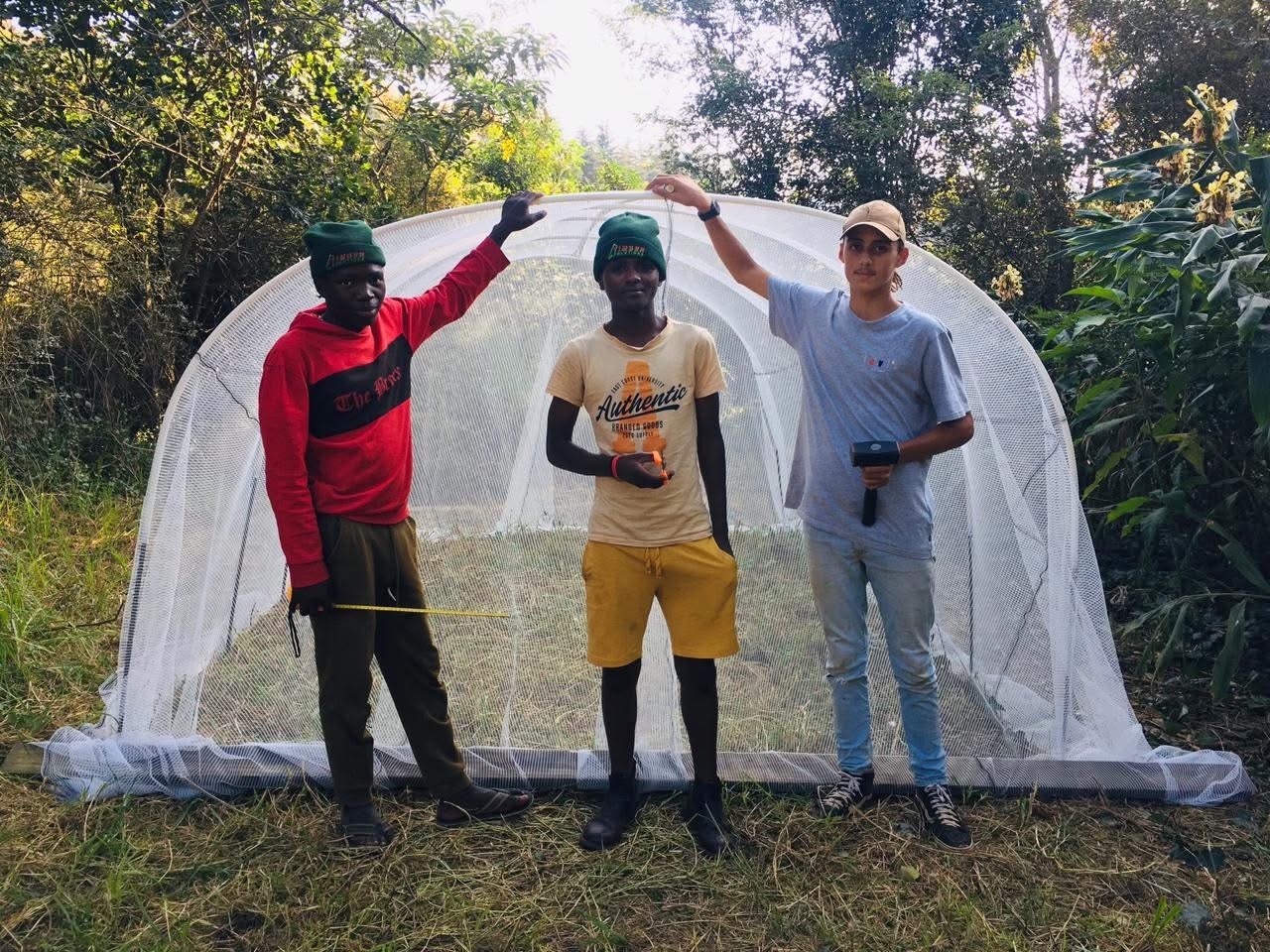
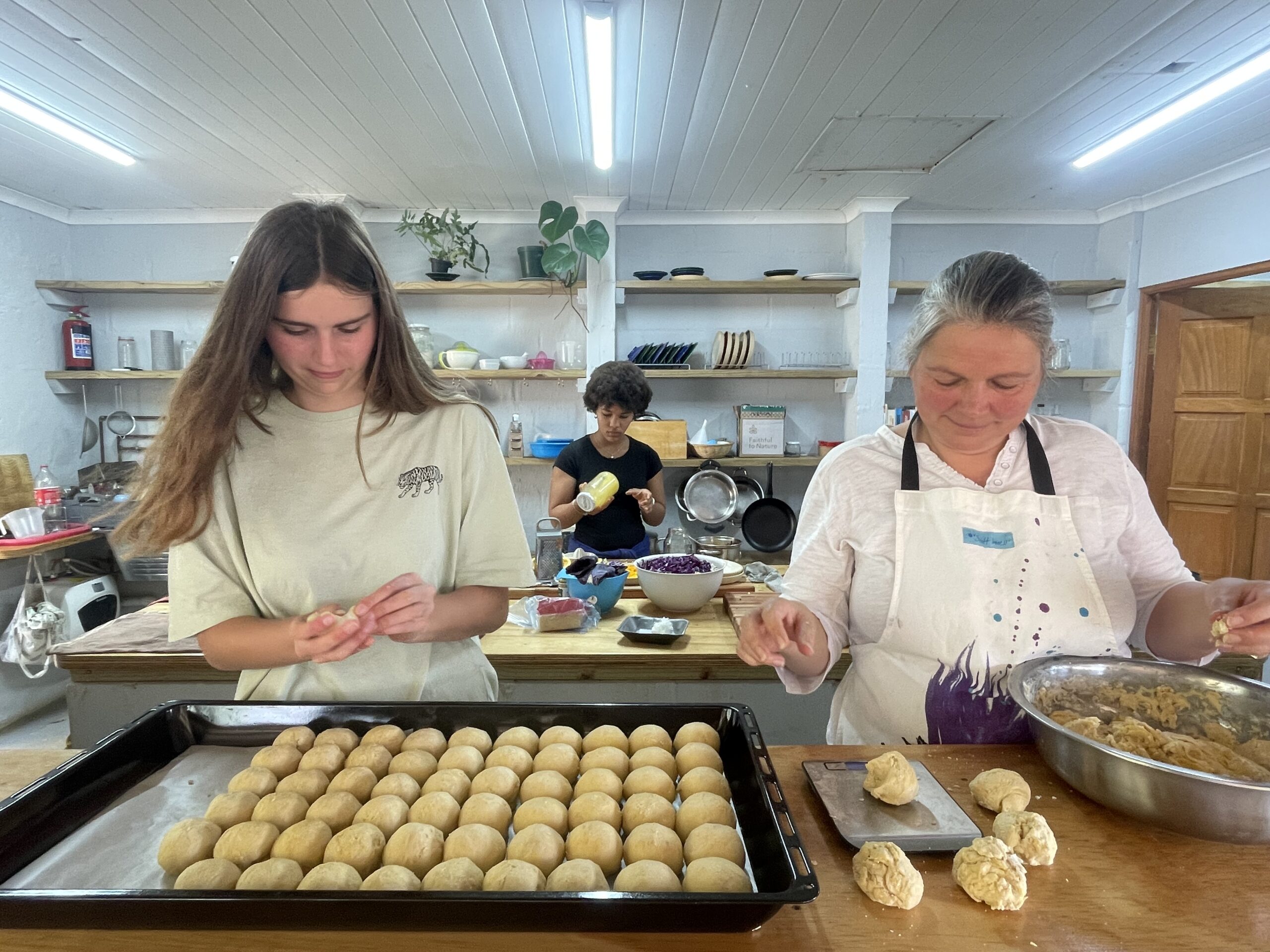
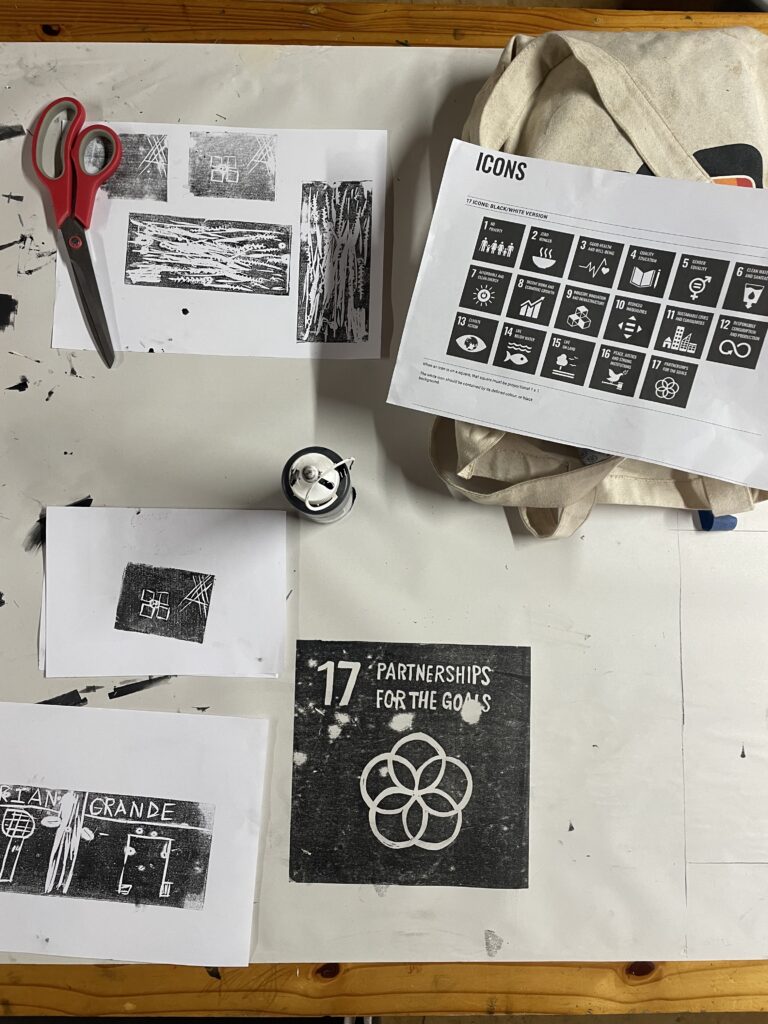
Learning changes when our participation matters to something beyond ourselves. Within Wellspring, children can encounter the living systems through which a community functions: a kitchen preparing Friday lunch, a print studio producing work for a market, a garden being cultivated, or an event taking shape through shared effort. These are real activities with real materials, relationships, constraints and consequences. By participating in them, children can develop practical competence, understand how different contributions fit together, and experience themselves as people capable of making a meaningful difference.
Life-Long Learning
Learning does not belong to childhood, nor does it end when formal education ends. It is an ongoing process of encountering the world, revising our understanding, developing new capacities and becoming someone we could not previously have imagined. By allowing learning to remain connected to lived experience, changing interests and real questions, Wellspring seeks to cultivate a relationship with learning that can continue to evolve throughout a person's life. The aim is not to arrive at a finished self, but to grow in the capacity to keep learning, adapting and becoming.
Mentorship & Pathway Development
As children grow, new questions emerge about identity, capability, contribution and the kind of life they want to lead. Mentorship offers a relationship in which these questions can be explored with someone who brings experience, attentiveness and a willingness to walk alongside them. Through meaningful encounters, shared practice and increasing responsibility, young people can discover strengths, recognise possibilities and develop the confidence to pursue their own directions. Pathways need not be prescribed in advance; they can emerge through relationships, interests, experiences and opportunities that become visible along the way.
Academic Pathways — GED & School-Leavers' Option
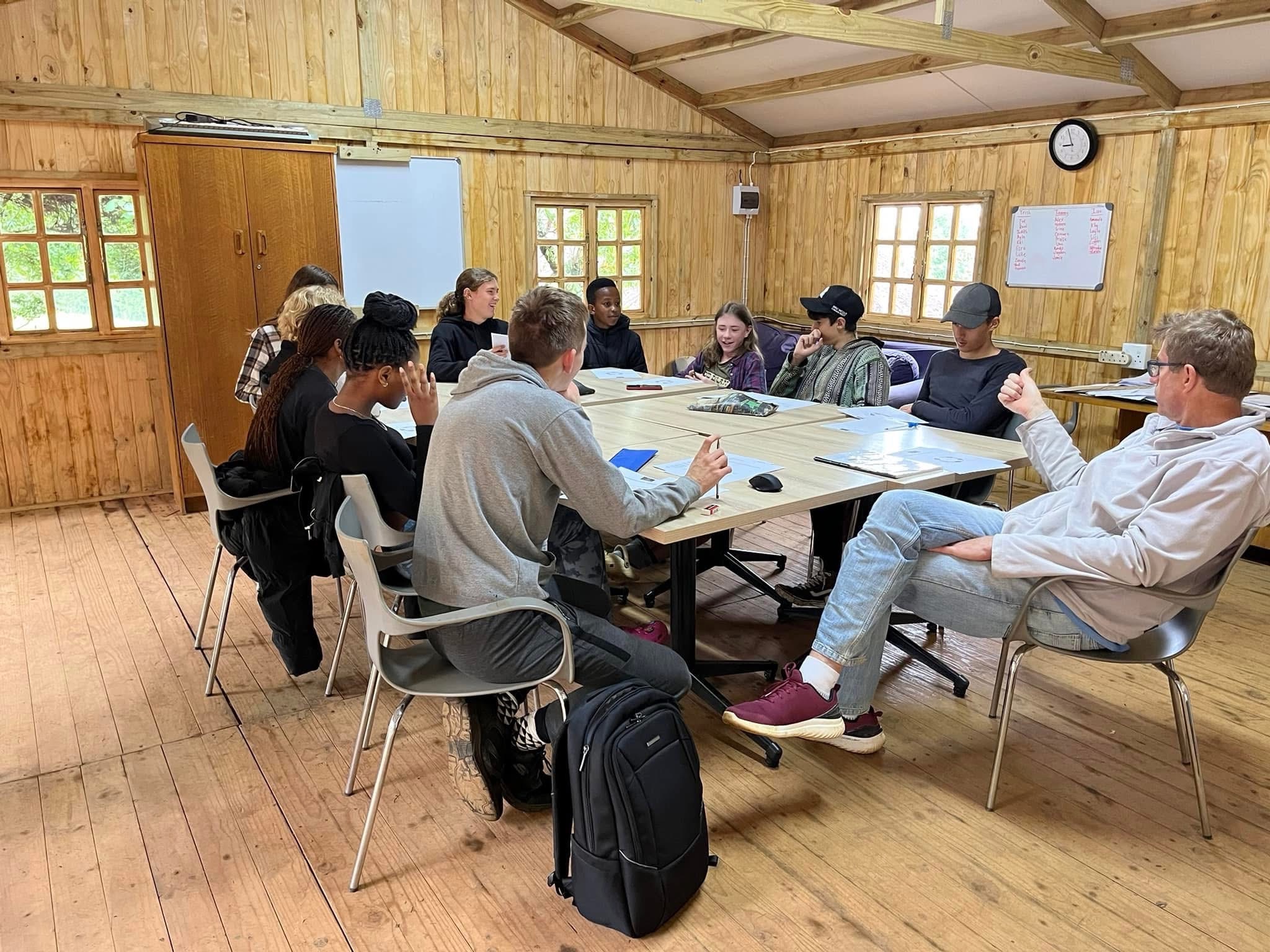
For young people whose lives and learning do not follow conventional educational pathways, there need to be ways to access further study, qualifications and new opportunities without having to fit themselves into a single model of education. The GED option provides one possible route towards recognised academic credentials, supporting young people to prepare for examinations and pursue their next steps. It sits alongside the broader work of developing independence, self-knowledge and practical capability, helping young people connect their individual circumstances and aspirations with the opportunities available to them.